


Table of Contents
- What Determines the Cost of Replacing Ducted Heating
- Average Cost Breakdown for Ducted Heating Replacement
- Gas vs Reverse Cycle Systems: Cost and Performance Comparison
- How Long Should Ducted Heating Last Before Replacement
- Victorian Energy Upgrades Heating Rebates and Government Incentives
- HVAC System Removal and Disposal Services: What’s Included
- Repair vs Replace: Making the Right Decision for Your System
- Conclusion
- Frequently Asked Questions
Last Updated: September 25, 2026
What Determines the Cost of Replacing Ducted Heating
The ducted heating replacement cost varies significantly based on several interconnected factors that go well beyond the price of the unit itself. Understanding what drives these costs helps you avoid nasty surprises and make an informed decision about whether replacement makes financial sense right now.
The primary variables affecting your total investment include the size and complexity of your home’s ductwork, the type of system you’re upgrading to, labour charges from qualified HVAC technicians, and whether you’re removing an existing unit. A straightforward replacement in a standard home might cost considerably less than retrofitting a complex multi-zone system with new ductwork. The heating capacity required, measured in kilowatts, directly influences equipment cost, and homes requiring higher output naturally pay more.
Location within Victoria also matters. Rural areas may face higher labour charges due to travel time, while established suburban homes often benefit from competitive local pricing. The condition of your existing ductwork determines whether ducts can be reused or need replacement, which substantially impacts the final bill.
Your system’s energy efficiency rating and star rating affect long-term running costs, which factor into the true cost of replacement when calculated over the system’s lifespan. A higher-efficiency unit costs more upfront but delivers annual savings through reduced energy consumption.
Average Cost Breakdown for Ducted Heating Replacement
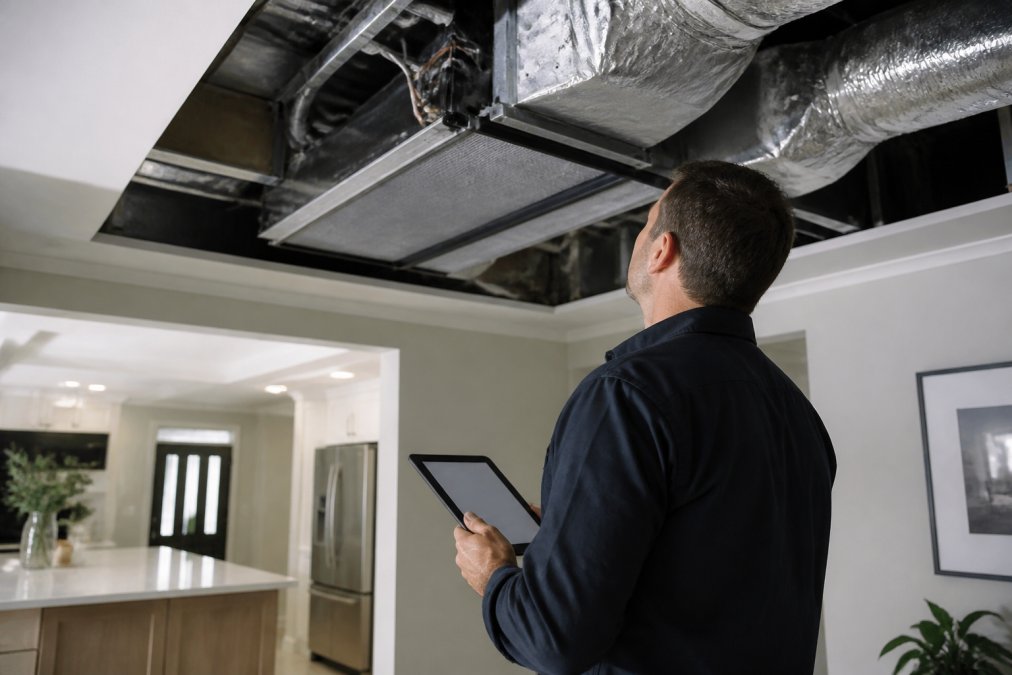
Replacing a ducted heating system typically involves several distinct cost components. The equipment itself represents one portion, labour comprises another, and disposal of the old unit adds a third. Breaking these down gives you clarity on where your money actually goes.
Equipment costs depend on the system type and heating capacity required for your home’s size. A standard reverse cycle unit suitable for a three-bedroom home in a temperate climate will cost differently than a high-capacity gas heating system for a larger property. Labour charges for installation generally reflect the complexity of the job, straightforward replacements where existing ductwork remains serviceable cost less than installations requiring new duct runs throughout your home.
Decommissioning and removal of your old heating system is a legitimate cost component. Many providers bundle this into their total quote, whilst others itemise it separately. At Premium Air, removal of the old unit is included as standard in our installation cost, eliminating surprise charges at handover.
Additional costs may include electrical work if your new system requires different power specifications, modifications to your home’s ventilation system, and any compliance work needed to meet current standards. A fixed quote from a qualified installer protects you from cost blowout, as it locks in labour and equipment pricing before work begins.
The total investment for a complete ducted heating replacement typically ranges across a broad spectrum depending on your specific circumstances. Rather than guessing at figures, obtaining quotes from experienced installers gives you accurate pricing tailored to your home’s actual requirements.
Gas vs Reverse Cycle Systems: Cost and Performance Comparison
Choosing between gas heating and reverse cycle air conditioning fundamentally shapes your replacement cost and long-term running expenses. Each system type has distinct upfront pricing, efficiency characteristics, and suitability for different climates and home layouts.
Gas heating systems provide powerful heat output and suit homes in colder regions where winter temperatures drop significantly. The equipment cost for gas ducted systems tends to be competitive, though you’ll need to factor in gas line installation if your home doesn’t already have gas infrastructure. Running costs depend on gas prices and your system’s efficiency rating. Gas systems excel at delivering consistent warmth but offer no cooling capability, making them less versatile for homes requiring year-round climate control.
Reverse cycle systems (heat pump technology) deliver both heating and cooling from a single unit, providing superior versatility. They operate by extracting heat from outside air, even in cold conditions, and transferring it indoors. Modern reverse cycle systems achieve excellent energy efficiency ratings and star ratings, translating to lower annual running costs than gas alternatives in most climates. The upfront cost for reverse cycle equipment is often higher than basic gas systems, but the dual heating-cooling functionality and energy savings justify the premium for many homeowners.
System zoning capabilities differ between types. Reverse cycle systems integrate naturally with multi-head split systems and zone control, allowing you to heat or cool specific areas of your home. Gas systems require more complex ductwork modifications to achieve equivalent zoning. This affects both installation cost and your ability to manage energy consumption efficiently.
For homes in Victoria’s variable climate, reverse cycle ducted systems increasingly represent the better long-term investment despite higher upfront costs. The combination of heating, cooling, and energy efficiency typically delivers superior value over a system’s 15-20 year lifespan.
When comparing gas and reverse cycle quotes, ask each installer for projected annual running costs based on your home’s size and your typical usage patterns. This reveals the true cost difference over time, not just the purchase price.
How Long Should Ducted Heating Last Before Replacement
Most ducted heating systems perform reliably for 15-20 years with proper preventative maintenance. Understanding your system’s age and condition helps you decide whether repair or replacement makes financial sense today.
A system approaching 15 years old is entering its later years. Components begin wearing, efficiency declines gradually, and repair costs start accumulating. If your system is 18+ years old and requires significant repairs, replacement often proves more economical than continued repairs. The thermal performance of older units drops as internal components degrade, meaning your system works harder to achieve the same heating output, driving up running costs.
Several warning signs suggest replacement timing. If your ducted heating struggles to maintain consistent temperatures across your home, or if you’re calling technicians for repairs more than once annually, the system is signalling its age. Rising energy bills without corresponding usage increases often indicate declining efficiency in aging systems. When multiple components fail simultaneously, replacement becomes the prudent choice.
A qualified HVAC technician can assess your system’s remaining lifespan during an inspection. They evaluate component condition, measure heating output, and check for refrigerant leaks (in reverse cycle systems). This professional assessment removes guesswork from the replacement decision.
Preventative maintenance extends system lifespan and delays replacement. Regular filter changes, professional inspections, and prompt repair of minor issues keep systems running efficiently. However, no amount of maintenance indefinitely extends a system’s life, eventually, replacement becomes necessary.
Victorian Energy Upgrades Heating Rebates and Government Incentives
Several government-backed programs assist Victorian homeowners with heating system upgrades, reducing your out-of-pocket cost for replacement. Understanding rebate eligibility and application processes helps you access available funding.
The Victorian Energy Upgrades heating rebates program provides financial incentives for replacing inefficient heating systems with higher-efficiency alternatives. Eligibility depends on your current system’s age and efficiency rating, your home’s characteristics, and the new system’s performance specifications. Not all replacements qualify, so checking your eligibility before proceeding matters.
Rebate amounts vary based on your system type, heating capacity, and home size. The program incentivises upgrades to high-efficiency systems, meaning reverse cycle units with excellent star ratings typically attract larger rebates than basic alternatives. Installers accredited under the program can advise on rebate eligibility and help you navigate the application process.
Low-interest finance options may be available through government-backed schemes for energy efficiency upgrades. These allow you to spread the cost of replacement across several years whilst benefiting from improved system efficiency. The annual savings from reduced energy consumption often offset financing costs, making the upgrade cost-neutral or positive from a cash-flow perspective.
To access rebates, work with an accredited installer who understands the program’s requirements. They’ll ensure your new system meets specifications for rebate eligibility and handle the necessary compliance documentation.
Government rebates can reduce your net replacement cost by a meaningful amount. Always confirm your eligibility and work with an accredited installer to ensure you don’t leave money on the table.
HVAC System Removal and Disposal Services: What’s Included
Removing your old heating system involves more than simply disconnecting equipment. Proper decommissioning requires specialised knowledge, appropriate tools, and compliance with environmental regulations.
Repair vs Replace: Making the Right Decision for Your System
The decision to repair or replace your ducted heating system hinges on several practical factors: your system’s age, the cost of the required repair, your system’s remaining lifespan, and projected running costs going forward.
Attempting multiple repairs on an aging system often costs more cumulatively than a single replacement. Once repairs exceed 40-50% of replacement cost, the economics shift decisively toward replacement.
Conclusion
Replacing your ducted heating system is a significant investment, but understanding what drives the ducted heating replacement cost and what options suit your home removes much of the uncertainty. The cost of replacing ducted heating system depends on your home’s specific needs, the system type you choose, and the quality of installation you receive.
Frequently Asked Questions
How long should a ducted heating unit last before I need to replace it?
Most ducted heating systems have a lifespan of 15-20 years with proper maintenance. Gas systems often last towards the longer end of this range, while reverse cycle systems may require replacement sooner in harsh climates. If your unit is approaching 15 years, has required frequent repairs, or shows declining heating output, replacement becomes more cost-effective than ongoing repairs. Regular preventative maintenance can extend system life, but eventual replacement is inevitable.
Are there government rebates available for ducted heating upgrades in Victoria?
Yes. Victorian Energy Upgrades heating rebates support eligible households upgrading to more efficient systems. Rebate amounts depend on your system type, home size, and energy efficiency improvements. To check eligibility, review the Victorian Energy Upgrades scheme requirements or request a free assessment from your installer. Many upgrades to reverse cycle systems qualify for rebates, reducing your out-of-pocket replacement cost significantly.
Is it cheaper to repair or replace my ageing ducted heating system?
If repair costs exceed 50% of replacement cost, or your system is over 15 years old, replacement is usually more economical long-term. Older systems lose efficiency over time, driving up running costs. A new unit with higher star ratings will recover its installation cost through lower energy bills within 5-10 years. Request a fixed quote for both repair and replacement to compare true costs.
What’s included in HVAC system removal and disposal services?
Professional removal includes safe decommissioning of your old unit, disconnection of ductwork and refrigerant lines, and disposal or recycling of materials in compliance with environmental standards. Many installers bundle removal into the total installation cost, so clarify whether it’s included in your quote upfront. Proper disposal ensures safe handling of refrigerants and prevents environmental contamination.